Body jewelry has become a vibrant form of self-expression that transcends conventional adornment. From piercings to unique pieces that embellish various parts of the body, body jewelry offers individuals a way to showcase their identity, creativity, and personal style. In this article, we will explore the history of body jewelry, the diversity of styles available, cultural significance, and the evolving trends that have made body jewelry a staple in contemporary fashion.
The practice of body adornment is not new; it dates back thousands of years and is found in cultures around the globe. Ancient civilizations used various forms of body jewelry for spiritual, cultural, and aesthetic purposes. For instance, indigenous tribes in Africa and the Americas traditionally adorned themselves with elaborate body jewelry made from natural materials like bones, feathers, and shells. These adornments often signified social status, tribal affiliation, or rites of passage.
As cultures evolved, so did the styles and materials used in body jewelry. In ancient Egypt, jewelry was crafted from gold and gemstones, and it was not uncommon for people to pierce their ears or wear decorative pieces in their hair. Similarly, in ancient Rome, body jewelry became a symbol of wealth and luxury, with affluent citizens showcasing their status through ornate designs. The Middle Ages saw a decline in the popularity of body jewelry in Europe due to changing cultural norms, but it remained prominent in other regions, particularly in Asia and Africa.
Fast forward to the 20th century, and body jewelry experienced a renaissance. The counterculture movements of the 1960s and 1970s embraced piercings and alternative styles, signaling a shift towards individuality and self-expression. The rise of punk and alternative music scenes further popularized body jewelry, with many artists and fans sporting multiple piercings and statement pieces. This era marked the beginning of a new appreciation for body jewelry as a legitimate form of personal adornment, free from societal constraints.
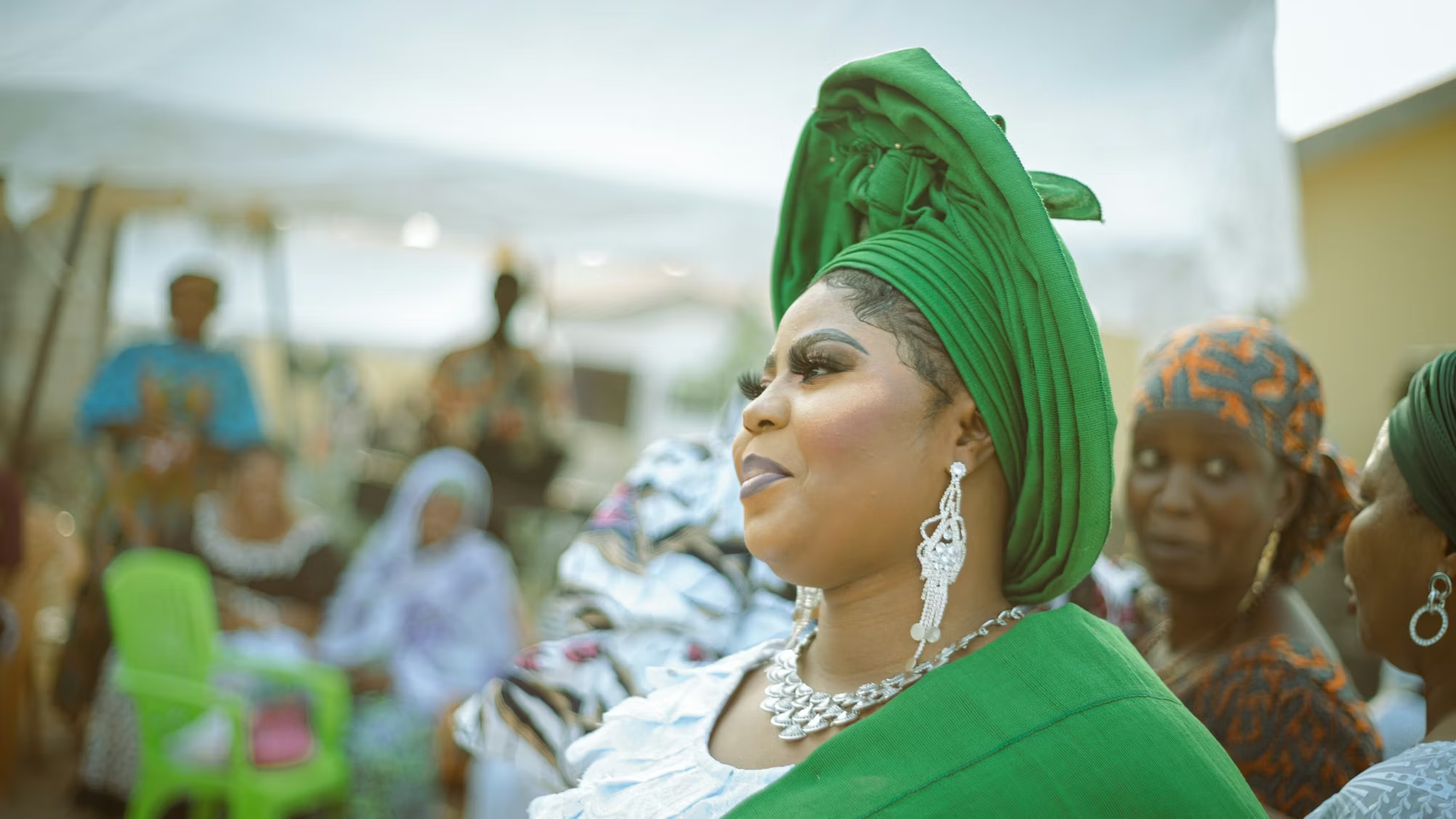
Today, body jewelry encompasses a wide range of styles and types, allowing for limitless customization. Common forms include earrings, nose rings, belly button rings, eyebrow piercings, and more. Each type of body jewelry carries its own unique flair and aesthetic. For instance, hoop earrings have made a comeback as a trendy choice, while septum rings and nostril piercings have gained popularity among those looking to make a bold statement.
Anklets, often seen as a symbol of femininity, have also found their way back into fashion, particularly during the summer months. Delicate chain anklets adorned with charms or beads can complement casual beachwear or add a touch of elegance to formal attire. The versatility of body jewelry allows individuals to mix and match pieces to create their desired look, whether it be minimalist or extravagant.
Body jewelry is not only about aesthetics; it often holds cultural and personal significance. In many cultures, piercings and tattoos are rites of passage that symbolize maturity, identity, and belonging. For example, in some Native American tribes, specific piercings are a part of coming-of-age ceremonies. Similarly, in South Asia, nose piercings have cultural and religious significance, often celebrated in traditional weddings.
Moreover, body jewelry can serve as a form of healing and empowerment. Many people choose to get piercings or wear specific jewelry as a way to commemorate personal milestones or transitions in their lives. For instance, a person may choose to get a tattoo or piercing after overcoming a challenge, viewing it as a permanent reminder of their strength and resilience. This connection between body jewelry and personal experiences underscores its importance as more than just decoration.
The materials used in body jewelry have also evolved, with a focus on both aesthetics and safety. Traditionally, body jewelry was crafted from metals such as gold, silver, and stainless steel. However, as awareness of skin sensitivities and allergies grew, many brands began to offer jewelry made from hypoallergenic materials like titanium and surgical steel. This shift not only promotes safety for wearers but also allows for greater creativity in design, with colorful and innovative materials now available.
The fashion industry has played a significant role in the rise of body jewelry’s popularity. Designers have increasingly incorporated body jewelry into runway shows and editorial spreads, showcasing its versatility and appeal. Celebrities and influencers have also contributed to this trend by sporting various styles, from delicate studs to bold statement pieces. Social media platforms like Instagram and TikTok have created a space for individuals to share their unique body jewelry collections and inspire others to embrace this form of self-expression.
As body jewelry continues to evolve, so do the trends associated with it. Customization has become a prominent theme, with many individuals seeking personalized pieces that reflect their unique identities. Brands now offer options for engraving, allowing wearers to add meaningful dates, initials, or symbols to their jewelry. This trend towards personalization extends beyond simple names; many people choose symbols or designs that resonate with their experiences, making their body jewelry even more special.
Moreover, the fusion of technology and body jewelry has opened new avenues for creativity. 3D printing allows designers to create intricate and unique pieces that were previously unattainable. This innovation not only expands the possibilities for design but also allows for greater accessibility in terms of production. As technology continues to advance, we can expect to see even more exciting developments in the world of body jewelry.
In conclusion, body jewelry is a dynamic and multifaceted form of self-expression that has evolved over centuries. From its historical roots to its contemporary significance, body jewelry reflects the diverse identities and cultures of individuals worldwide. It serves as a canvas for creativity, a symbol of personal milestones, and a way to connect with cultural heritage. As trends continue to shift and evolve, body jewelry will undoubtedly remain a vibrant and essential aspect of personal adornment, celebrating the unique stories and identities of those who wear it.